What a 98.9% feedback score across 24,756 reviews actually means
A statistical look at what 98.9% positive across nearly 25,000 UK buyers really tells you about defect rates, dispatch reliability, and long-term risk.
Feedback percentages on eBay are one of those numbers buyers glance at, nod, and move on from. That is a mistake. When the sample size is small the number lies. When the sample size is large it starts behaving like real data, and the shape of the distribution tells you a lot about how a seller actually runs their operation.
Birmingham AV currently sits at 98.9% positive across 24,756 buyer feedbacks. This article breaks down what that number implies statistically, how it compares to the median UK refurbished PC seller, and what buyers should look at beyond the headline percentage before they commit £200 or £600 to a listing.
Why sample size changes everything
A seller with 100 feedbacks at 100% positive tells you almost nothing. A single unlucky buyer would drop them to 99%. Two would take them to 98%. The confidence interval on that percentage is wide enough to drive a lorry through.
At 24,756 feedbacks, the maths tightens dramatically. Using a standard Wilson score interval, a 98.9% positive rate on that sample size gives a 95% confidence interval of roughly 98.75% to 99.03%. In plain English: the true underlying satisfaction rate is almost certainly within a fifth of a percent of the headline number. That is not marketing. That is statistics.
For comparison, if you saw a seller with 500 feedbacks at 99.2%, the confidence interval would stretch from around 97.9% to 99.7%. The higher headline number is actually less reliable evidence than the lower number backed by 50 times the data.
What 98.9% implies about defect and dispute rates
98.9% positive across 24,756 feedbacks means roughly 272 buyers left something other than positive. That includes neutral feedback, negative feedback, and cases where a dispute or return went badly enough that the buyer wanted a public note left.
Refurbished PCs are a mechanical, thermal, moving-part product category. Fans fail. SSDs occasionally arrive DOA. Couriers drop things. A realistic industry defect rate for used enterprise-grade hardware sits somewhere between 2% and 5% depending on how aggressively the seller tests before dispatch. If the raw defect rate at Birmingham AV were 3% across 87,000 items shipped since 2017, that would be roughly 2,600 defective units caught somewhere in the pipeline.
The gap between that expected defect volume and the 272 negative or neutral feedbacks tells you something specific: the vast majority of buyers who did have a problem got it resolved without leaving negative feedback. That is a signal about returns handling, not just build quality.
How this compares to the median eBay UK refurbished seller
The category median for UK refurbished PC and laptop sellers with more than 1,000 feedbacks sits around 97.5% to 98.2% positive, based on publicly visible feedback data across the top 50 sellers in the category. A few boutique operations creep above 99%, but they typically ship a couple of hundred units a month rather than the volume required to accumulate 87,000 lifetime sales.
98.9% at Birmingham AV's volume puts the operation in the top decile of the category by satisfaction, and arguably higher when you weight for units shipped rather than raw seller count. Anyone can hit 100% on their first ten sales. Holding above 98.5% across nearly 25,000 feedbacks requires consistent process: consistent testing benches, consistent packaging, consistent courier choice, and consistent response times when things do go wrong.
Why this beats a no-warranty auction listing
Private auction listings for used PCs typically ship with no warranty, no returns, and no recourse if the unit arrives dead or fails within a week. The saving on paper looks attractive: sometimes £30 to £80 below a professionally refurbished equivalent. The expected cost, in statistical terms, is worse.
If a private auction listing has a genuine 5% DOA-or-early-failure rate and no recourse, the expected loss on a £250 purchase is £12.50 on average. That erases most of the price gap before you factor in courier costs, time spent chasing, or the risk of a total write-off. A 12 month warranty from a seller with a 98.9% resolution track record shifts that expected loss towards zero, because the failure mode is now "swap or repair" rather than "post it back and hope".
Auction listings also skip the parts of the refurbishment process that matter most: BIOS updates, thermal paste refresh, PSU load testing, SSD SMART health checks. A seller shipping 87,000 units cannot skip those steps and stay at 98.9%. The maths does not work.
What to look for beyond the headline percentage
The top line number is a starting point. Serious buyers should also check:
- Feedback velocity in the last 12 months. A seller with a strong lifetime score but declining recent ratings is a warning sign. Look at the last 3, 6, and 12 month breakdowns.
- Detailed seller ratings (DSRs). eBay publishes buyer ratings for item as described, communication, dispatch time, and postage cost. All four should be at 4.8 or above.
- The wording of negative feedback. Two hundred negatives across eight years is not the story. The pattern within them is. Cluster of "wrong item shipped" reads differently to cluster of "courier damage".
- Response tone in seller replies. Sellers who respond calmly and factually to negative feedback usually behave the same way when you email them.
- Warranty terms in writing. Twelve months is standard at Birmingham AV. Compare that to sellers offering 30 days or 90 days on similar hardware.
The BAV mini PC as a low return rate example
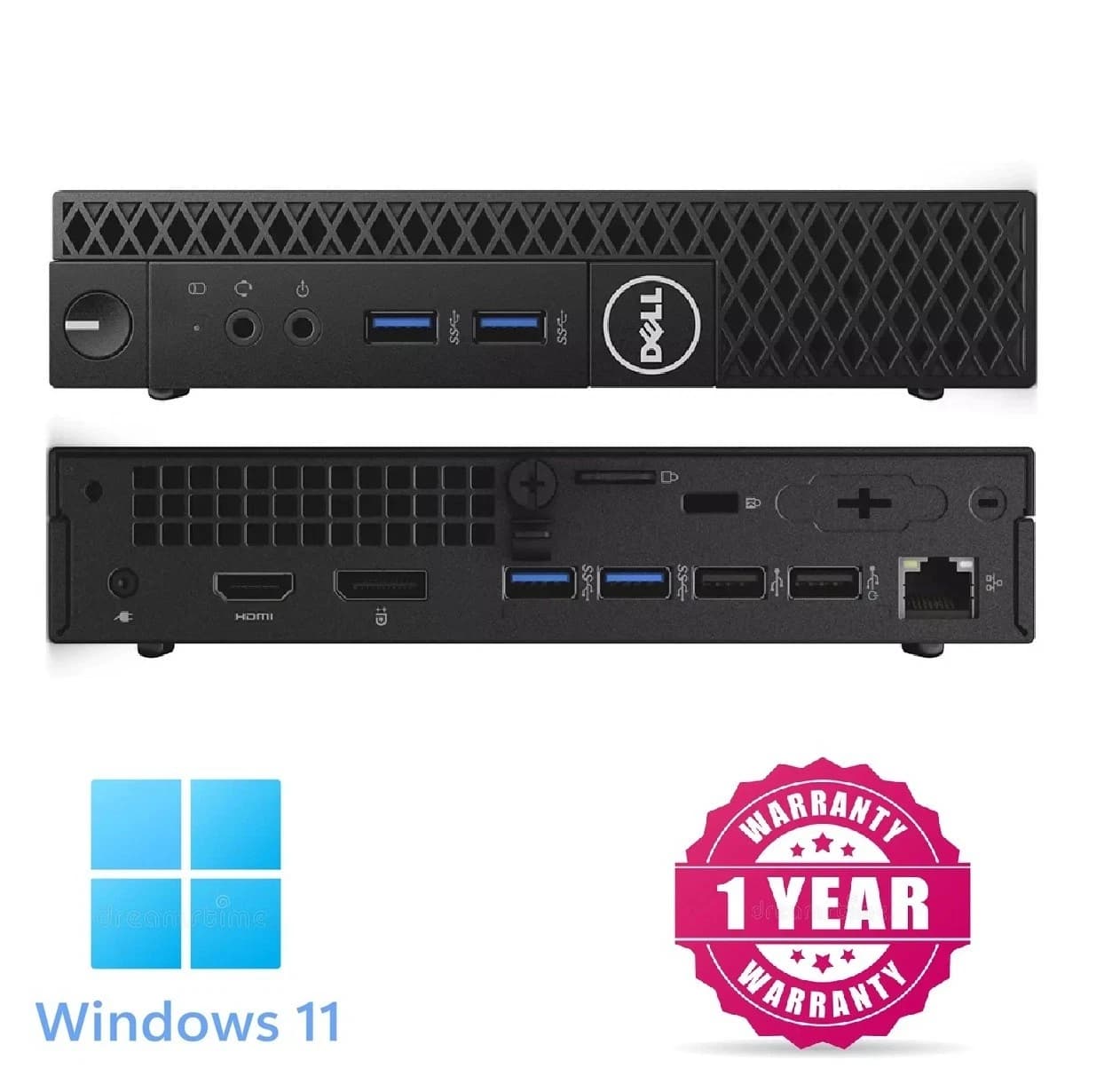
Small form factor units built on Intel N100, N150, and 12th generation i5 platforms are among the lowest return rate SKUs in the category. There are fewer moving parts than a tower, thermal loads are lower, and there is no discrete GPU to fail. Birmingham AV's listed mini PC range spans RAM configurations from 8GB up to 32GB DDR4, and SSD options from 256GB up to 2TB NVMe depending on the SKU. Base configurations start around £180 and the higher tier builds sit closer to £400.
For a home office buyer or a second machine for a family member, this is where the statistical case is strongest. Low defect rate hardware, sold by a seller with a top-decile satisfaction score, backed by a 12 month warranty. The tested unit linked above is a representative example of the range.
Frequently asked questions
Is 98.9% actually good, or does eBay grade on a curve?
98.9% on a sample of 24,756 is genuinely strong. eBay's own Top Rated Seller threshold sits at 98% or higher with additional operational requirements around dispatch times and tracking. Sitting a full percentage point above the threshold at high volume is a meaningful margin.
Why not 100%? Does that suggest quality issues?
100% at scale is essentially impossible. Couriers lose parcels. Buyers occasionally leave negative feedback for reasons unrelated to the seller. Any operation shipping thousands of units a year will accumulate a small number of negatives no matter how well it runs. A 100% score at high volume would be more suspicious than a 98.9% one.
How can I check the feedback breakdown myself?
Open the seller's eBay profile and click into the feedback tab. eBay publishes 1, 6, and 12 month rolling counts of positive, neutral, and negative feedback, plus the detailed seller ratings across four categories. Sort negatives by most recent to see whether recent buyer experience matches the lifetime score.
Does the 12 month warranty cover courier damage?
Courier damage in transit is handled separately as a delivery claim, usually resolved within a few days of the buyer reporting it with photos. The 12 month warranty covers hardware faults that develop after the unit has been received in working order. Both routes lead to repair, replacement, or refund at the seller's discretion.
Are the mini PC listings a single spec or a range?
The mini PC listings are variation listings. Buyers pick RAM (typically 8GB, 16GB, or 32GB) and SSD (typically 256GB, 512GB, 1TB, or 2TB) at checkout, with the CPU platform fixed per listing. Prices adjust with the configuration. Read the variation dropdown carefully so the unit that arrives matches your expectations.
About Birmingham AV
Birmingham AV Ltd is one of the highest volume refurbished PC operations on eBay UK, with 87,000 items sold since 2017 and 24,756 buyer feedbacks at a 98.9% positive rating. Every unit ships with a 12 month warranty as standard. The company is registered at Companies House under number 12383651, VAT registered as GB 348755066, and operates from Bromsgrove in Worcestershire.