Twelve month warranty versus no warranty refurb: the real math
Refurbished PCs and laptops fail at predictable rates in year one. Work out whether a 12 month warranty pays for itself, or whether the no warranty listing is the smarter buy.
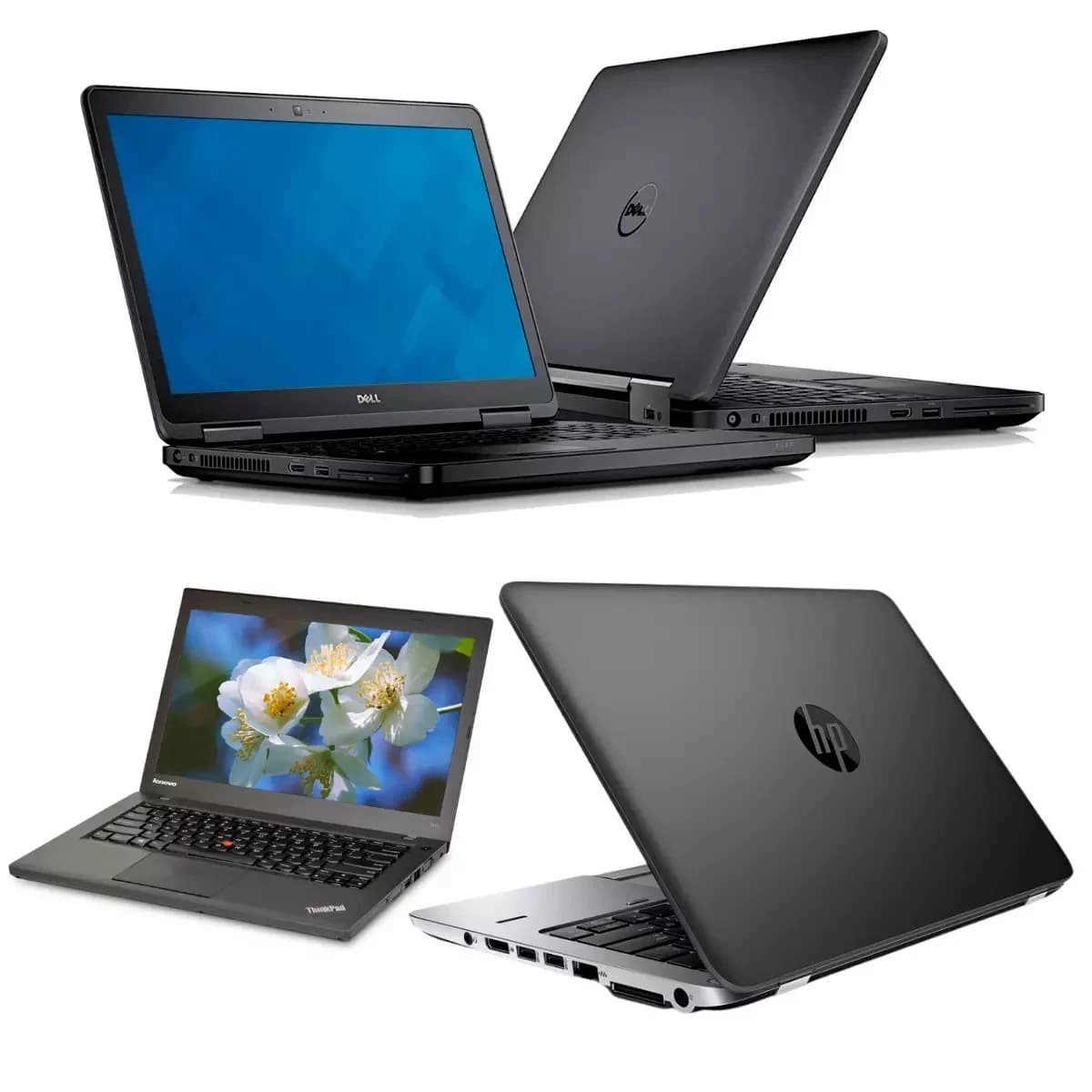
Refurbished PC listings in 2026 come in pairs. Same CPU, RAM, storage. One says "12 months warranty". The other says "sold as seen" and costs £40 to £90 less. The instinct is to save. The maths points the other way for almost every buyer.
What actually fails in year one
Refurbished business hardware from a three year corporate lease has already survived the infant mortality window. The year one failure profile is dominated by a short list of parts.
SSDs are the most common failure. Ex-corporate drives often show 30 to 70 percent of rated TBW on arrival. A Samsung PM871 or PM981 from a finance laptop typically has 8,000 to 22,000 power on hours logged. Failure rates in the first 12 months after refurbishment sit at 3 to 5 percent based on Backblaze style tracking of enterprise drives past that age. Roughly one drive in twenty five.
Motherboards fail less often, but expensively. Capacitor ageing, VRM stress, and thermal fatigue produce a year one motherboard failure rate of 1 to 2 percent for machines five to seven years old at sale. RAM failures are rarer, around 0.5 to 1 percent. SFF desktop PSUs sit near 2 percent because the OEM units run hot.
Add those together: a five year old refurbished business machine has a 6 to 9 percent chance of a meaningful failure within 12 months.
The out of pocket cost when it does go wrong
The failure rate only matters when you multiply it by the repair bill. Common jobs in the UK in 2026, sorted yourself: a 512GB NVMe SSD replacement (WD SN770 or Crucial P3 Plus, plus shop clone and fit) is £75 to £110 all in. A motherboard swap on a small form factor OptiPlex or ThinkCentre is £55 to £95 for a used board off eBay plus £120 to £180 labour. Total: £175 to £275.
A laptop screen on a ThinkPad T480 or EliteBook 840 G6 is £90 to £160 for the panel plus £60 to £90 fitting. A desktop PSU is £45 to £80 all in. A dead RAM stick is £25 to £40 matched.
Weighted by likelihood, the expected repair cost across a random year one failure sits at £140 to £190. Multiply by the 6 to 9 percent failure rate and expected annual repair spend on a no warranty refurb works out at £8 to £17.
Why the premium is smaller than the expected loss
That maths suggests a warranty is worth about £15. The actual gap between no warranty and warranted listings runs £40 to £90. So why is the warranty still the better buy?
Expected value misses two things. First, variance. The failure is a zero cost outcome nine times out of ten and a £200 event the tenth time. If you are the tenth buyer, £15 of expected value does not help. Second, the warranty covers your time. Diagnosing a dead SFF desktop, sourcing the right board revision, cloning a drive from a machine that will not boot, all of that costs hours you do not get back.
The warranty also covers ambiguous failures. A machine that blue screens under load twice a week is a nightmare to diagnose. Under warranty it is a courier collection and replacement. Out of warranty it is a weekend of Memtest86, Prime95, and event viewer.
Buy the tested unit
If the sums match how you think about risk, the sensible option is a machine bench tested for 24 hours, with a fresh SSD where the original was over 40 percent worn, and 12 months return to base warranty. This ThinkCentre M920q i7 build is a good example.
Buy the tested unit with 12 months warranty
When no warranty is genuinely the right call
Three cases where the no warranty listing is the sharper buy.
A parts machine. If you already own a working unit of the same model and need a spare motherboard, PSU, or chassis, a no warranty machine at £60 to £100 below the warranted equivalent is cheaper than sourcing individual parts.
A project build. Someone learning to build or modify PCs benefits from a machine they are allowed to break. A no warranty ex-lease OptiPlex is a legitimate teaching tool, and paying for cover you will void on day one by swapping the cooler for a Noctua NH-L9i is a waste.
A bulk buy for a short lifespan. A small business needing six terminals for a six month project and binning them at the end can reasonably skip warranty. Failure rate over six months is roughly half the 12 month figure, and losing one out of six is priced in.
Outside those three the maths favours the warranted unit almost every time.
What a real 12 month warranty should cover
Five things worth checking: return to base cover with the seller paying outbound courier, coverage for the motherboard and CPU and not just peripherals, a stated turnaround in working days, replacement rather than repair for faults taking more than 10 working days to fix, and no exclusion for wear and tear on SSDs. That last one matters. A warranty that excludes SSD failure because the drive was already partially worn at sale is not really a warranty on the drive.
Frequently asked questions
Does the warranty reset if the seller replaces the whole unit?
At Birmingham AV, yes. If a fault cannot be fixed within 10 working days the unit is replaced with an equivalent or better spec, and the new machine starts a fresh 12 month warranty from dispatch. Some sellers only continue the original term on a replacement.
Are refurbished laptop batteries covered?
Batteries are usually excluded or covered for a shorter period, typically 90 days, because they are consumable. Expect the battery to report at least 80 percent design capacity at sale, and expect the seller to replace it free within 30 days if it drops below 70 percent in normal use.
Is a manufacturer refurbished unit safer than a third party refurb?
Not always. Dell, HP, and Lenovo outlet units carry a 12 month manufacturer warranty and are cosmetically excellent, but they are often pricier, and the testing is not always deeper than a good independent refurbisher does.
What paperwork should I get with a warranted refurbished PC?
A dated invoice with the seller's VAT number and company number, the machine's service tag or serial number, and a written statement of the warranty terms. Without those three, a warranty claim gets hard fast.
Can I buy extended warranty on a refurbished machine?
Some sellers offer 24 or 36 month cover for £30 to £70 extra. The maths is worse than on the first 12 months because failure rate rises in years two and three, but so does the premium. Worth it if the machine is critical to your income.
About Birmingham AV
Birmingham AV is a specialist refurbisher based in Bromsgrove, Worcestershire. Companies House 12383651, VAT GB 348755066. We have sold 87,000 items with 24,756 buyer feedbacks at 98.9 percent positive. Every desktop and laptop ships with a 12 month return to base warranty as standard, no separate protection plan, no SSD wear exclusion, and a minimum 24 hour bench test before dispatch.