The Birmingham AV approach to OEM vs third party parts
OEM parts sometimes earn their price tag and sometimes do not. Here is where a refurbisher spends the extra pound, and where it is money set on fire.
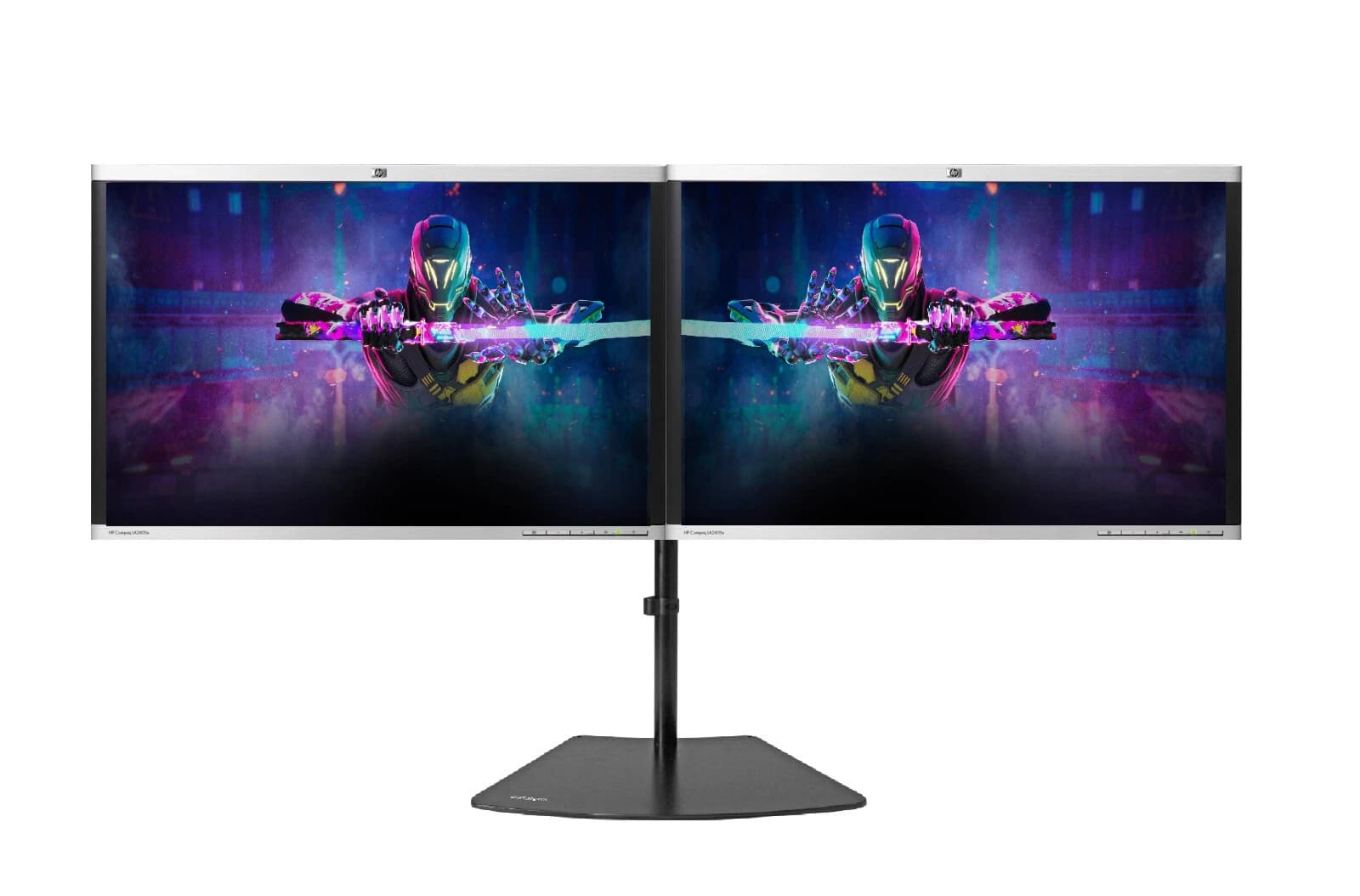
Every refurbished PC starts with a bill of materials question. Fit the original manufacturer part, or a compatible third party part that does the same job for less. The answer is not one or the other. It is a component by component call, made against reliability data, warranty exposure, and the price the finished machine will fetch.
Here is how Birmingham AV thinks about it on the bench.
What OEM actually means on a refurb
OEM stands for original equipment manufacturer. On a Dell OptiPlex, the OEM RAM stick is the Micron, SK Hynix, or Samsung module Dell qualified at the factory. The OEM PSU is the Delta, Chicony, or Lite-On unit with the Dell part number on the label. The OEM SSD is whatever Dell, HP, or Lenovo signed off on for that model year, usually a Samsung PM series, a Toshiba KIOXIA, or a Micron 2450.
Third party means anything else: Crucial, Kingston, WD, Corsair, Seasonic, and dozens of smaller brands. Some are excellent. Some are landfill in a sticker.
RAM: third party wins on value, OEM wins on tricky boards
For DDR4 and DDR5 desktop upgrades, third party memory from Crucial, Kingston ValueRAM, or Corsair Vengeance is genuinely fine. The DRAM dies come from the same three fabs (Samsung, SK Hynix, Micron) that supply the OEMs. A Crucial 16GB DDR4 3200 stick at around £22 to £28 does the same work as a Dell branded 16GB stick at £45 to £60.
Where OEM earns its keep is fussy business boards. Some HP EliteDesk 800 G4 and G5 boards throw memory training errors with mixed rank third party sticks. Certain Lenovo ThinkCentre M920 units want SK Hynix specifically. On those, Birmingham AV fits the qualified module and moves on. For DDR5, cheap sticks with off brand PMICs fail at a noticeably higher rate, so stick to Crucial, Kingston Fury, Corsair, or G.Skill.
SSDs: this is where the OEM premium falls apart
The SSD is where third party most obviously beats OEM on price to performance. A Samsung 870 EVO 500GB retails around £45 to £55. A Crucial MX500 500GB sits at £38 to £48. A WD Blue SN580 1TB NVMe runs £55 to £70. All TLC drives with five year warranties.
The OEM equivalent, pulled from a Dell or HP factory image, is often a Toshiba KXG60 or Samsung PM981a. Excellent drives, but the warranty ends when the machine leaves the original owner.
Birmingham AV fits new retail SSDs rather than passing through the used OEM drive. A used SSD with 40 percent life left and a broken warranty chain is a returns problem waiting to happen. A new Crucial or WD unit gives a fresh clock on the wear counters and a warranty the buyer can register. The exception is enterprise workstations, where a pulled Samsung PM9A1 or KIOXIA CD6 stays in place if the SMART data is clean.
See the current Birmingham AV eBay range for examples of these builds in action.
PSUs: the one place to never save money
The power supply is where cutting cost is genuinely dangerous. A cheap £15 unit from an unknown brand can, and does, take the motherboard, CPU, GPU, and drives with it when it fails. The fire risk on the worst units is not theoretical.
On OEM small form factor and micro tower machines (Dell OptiPlex, HP EliteDesk, Lenovo ThinkCentre), the factory PSU is a Delta, Chicony, FSP, or Lite-On unit built to a spec that outlasts the rest of the machine. If it passes load testing at the bench, it stays in.
On standard ATX builds, third party is fine, but only tier one: Seasonic, Corsair (RMx and above), be quiet Straight Power, Thermaltake Toughpower GF, EVGA SuperNOVA G. An 80 Plus Gold 550W unit from any of those runs £70 to £95 and will outlast the build. Anything unbranded, or shipped with a "gaming PC" for under £30, does not go into a Birmingham AV machine.
Motherboards, CPUs, and GPUs: pulled OEM only
For the big silicon, there is no third party equivalent. What matters is whether the part was pulled from a working machine, tested under load, and paired with a known good board.
Birmingham AV sources CPUs and boards from decommissioned corporate fleets: Intel 8th through 12th gen Core parts, and increasingly Ryzen 5000 and 7000 series, from machines with a three to five year office lifecycle. Bench tested under Prime95 and OCCT before assembly. GPUs are the outlier: used tier one AIB cards (ASUS, MSI, Gigabyte, PNY, Palit), visually and thermally inspected, no mining pulls without a repad and repaste.
Frequently asked questions
Is OEM RAM always better than Crucial or Kingston?
No. On standard consumer and business boards the DRAM dies come from the same three fabs, so a Crucial or Kingston stick performs identically to the OEM equivalent at roughly half the price. The exception is a small number of fussy business boards that need a specific brand for reliable memory training.
Should I insist on the original Samsung or Toshiba SSD in a refurb?
Not really. A used OEM SSD carries no transferable warranty and unknown wear. A new retail Crucial, WD, or Samsung consumer drive gives you a fresh five year warranty and known zero hours, which is a better position for the buyer.
Are cheap third party PSUs actually dangerous?
The worst ones are, yes. Undersized capacitors, missing protection circuits, and false wattage ratings are common on sub £25 units. Stick to Seasonic, Corsair RMx or above, be quiet, or EVGA G series on ATX builds, and trust the factory Delta or Chicony on OEM small form factor cases.
How do I check the PSU brand in a prebuilt refurb?
Look at the label on the side of the PSU, not the badge on the case. On Dell, HP, and Lenovo small form factor units it will show Delta Electronics, Chicony, Lite-On, or FSP. If the seller cannot confirm the manufacturer, treat that as a warning sign.
About Birmingham AV
We have sold over 87,000 items on eBay UK since 2017, with 24,756 buyer feedbacks at 98.9 percent positive. Every machine ships with a twelve month warranty and is bench tested before it leaves Bromsgrove, Worcestershire. Birmingham AV Ltd is registered at Companies House as 12383651, VAT GB 348755066. One of the highest volume refurbished PC operations on eBay UK.