Best refurbished PC for penetration testers and cyber security work
A practical guide to picking a refurbished machine that survives Kali live boots, nested VMs and long hash cracking sessions in the field. UK English, no fluff.
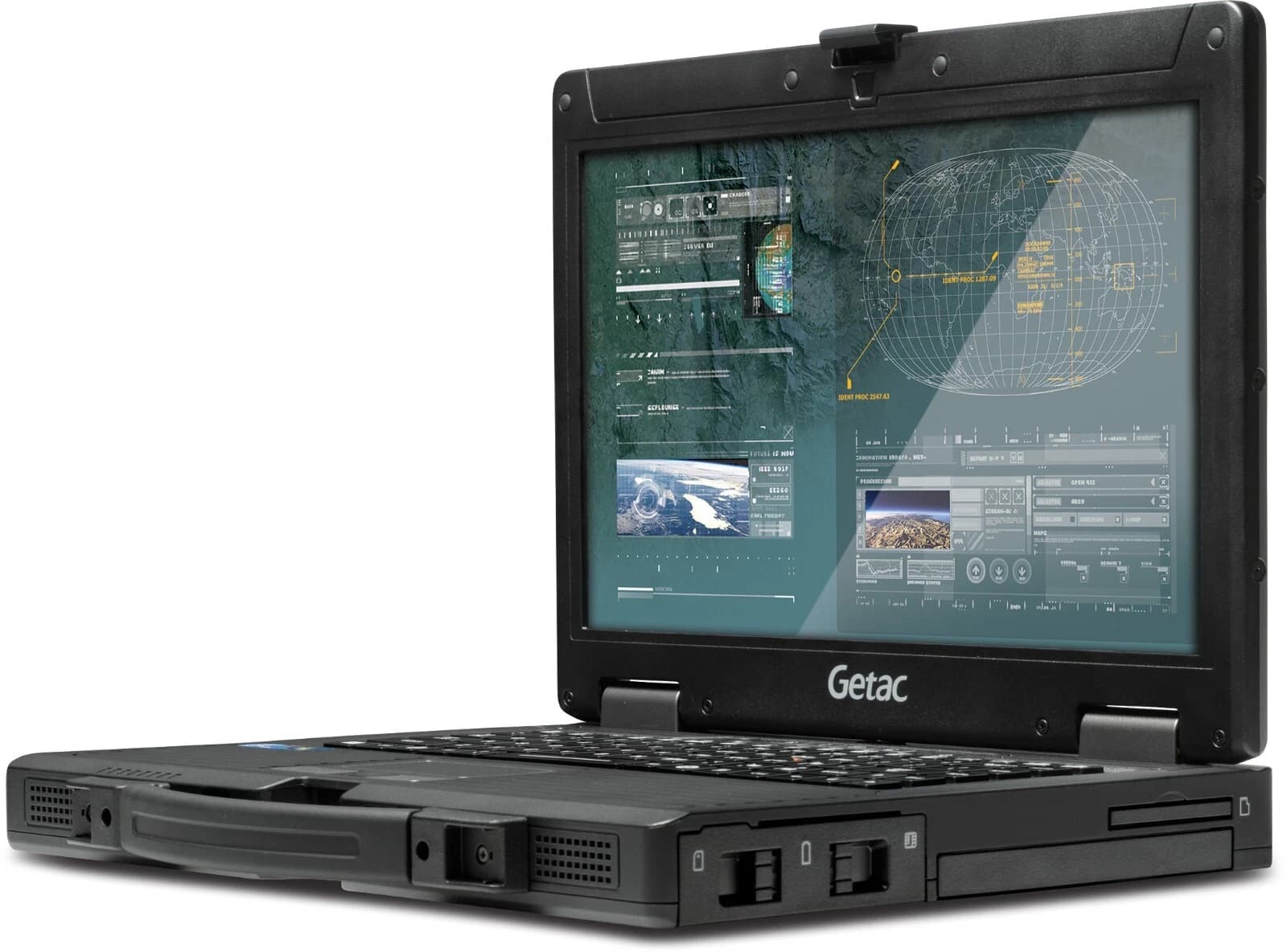
Penetration testing has an awkward hardware profile. Workloads swing from terminal work on a train to memory hungry labs with three or four VMs at once, then a Hashcat run that pins every CPU thread for a weekend. Buy the wrong laptop and you either overpay for a workstation that never leaves the desk, or save money on a thin ultrabook that throttles the moment a wordlist starts moving.
The refurbished market solves this if you shop with intent. A three or four year old business grade machine gives you the ports, the RAM headroom and the thermal design that the current thin and light generation dropped.
What the job actually asks of the hardware
Kali Linux itself is not demanding. A dual core with 8 GB of RAM will boot Kali and run Nmap all day. Load shows up the moment you start layering. A typical engagement might involve Kali as a VM, a Windows 10 target, an Active Directory lab with a Server 2019 domain controller, plus a browser with fifteen tabs. That is 24 GB of RAM before you have opened Burp Suite.
Hash cracking is the other spike. Hashcat on CPU is fine for small NTLM lists, but for bcrypt or WPA2 handshakes at any scale you want a discrete GPU, or you accept the laptop as a staging box and run the cracking on a desktop or a cloud instance.
The specification floor for 2026
The sensible floor is an 8th generation Intel Core i5 or i7, 16 GB of DDR4 with a spare SODIMM slot, and a 512 GB NVMe SSD. That covers most CTF work and light client engagements. The comfortable middle sits at a 10th or 11th generation Core i7, 32 GB of RAM, and a 1 TB NVMe, which is where most professional testers land.
Two details matter more than the headline CPU. First, RAM ceiling: check the chipset supports 64 GB so you have room to grow. Second, storage bays: a second M.2 slot or a 2.5 inch bay lets you keep client data separated from your tooling image, which makes end of engagement wipes far cleaner.
Why Getac keeps winning on the bench
Getac is a Taiwanese rugged specialist that sells almost exclusively to defence, utilities and field services. The B360, S410 and F110 lines turn up on the used market at a heavy discount to their original four figure list prices, and the build quality is a genuine step above the standard ThinkPad or Latitude refurb.
The practical wins for security work are specific. The chassis takes a drop onto concrete without the screen delaminating. Keyboards are spill resistant to a level that survives coffee. Port selection is honest: full size HDMI, real RJ45 gigabit, USB A alongside USB C, and on the B360 a serial port that is still the fastest way onto a Cisco console when the client has lost their terminal server credentials.
Battery life on twin battery configurations is the sleeper feature. A B360 with both bays populated will run Kali under a light workload for eight to ten hours, and you can hot swap one battery without shutting down.
See the current BAV Getac Toughbook refurb listing on eBay
The BAV listing covers a range of Getac configurations. Expect Core i5 or i7 CPUs across the 7th to 10th Intel generations, RAM from 8 GB to 32 GB, and SSDs from 256 GB to 1 TB. Prices sit well below the equivalent new rugged machine, with a twelve month warranty on every unit.
Virtualisation: what to actually check
Confirm three BIOS items are supported. VT-x is non negotiable for VMware Workstation or VirtualBox at speed. VT-d handles IOMMU and lets you pass a USB Wi-Fi adapter through to a Kali VM without dropping packets, which matters for wireless assessments. TPM 2.0 is worth having for Windows 11 target VMs and for BitLocker on the host if you carry client data.
On memory, 32 GB is the point where nested labs stop feeling cramped. A small Active Directory environment (domain controller, one member server, one Windows 10 client, Kali attacker) fits inside 24 GB with 8 GB spare for the host. Drop to 16 GB and you are constantly juggling which VM is powered on.
Hash cracking on a laptop, honestly
If cracking is central to your work, a laptop is a compromise. A Getac B360 with integrated graphics will handle NTLM and MD5 in modest volumes, and it is fine for verifying a captured hash. For anything at scale, offload to a desktop with a dedicated GPU, or to a cloud instance you spin up per engagement.
The laptop is then the trusted endpoint that holds engagement notes, Nessus results and report drafts, with the cracking rig treated as disposable compute. That framing keeps you honest about which machine needs the top spec, and it usually saves money.
Frequently asked questions
Is a refurbished Getac safe for client data?
Yes, provided you re image it on arrival. Any reputable refurbisher wipes drives before dispatch, but professional practice is to install your own OS, enable full disk encryption and set a firmware password before the machine touches a client network. That gives you a known clean baseline for your rules of engagement.
Do I need Windows or should I run Kali as the host?
Both patterns work. Windows as host with Kali in a VM is friendlier if you write reports in Office. Kali as host with a Windows VM is faster for tooling that expects Linux paths, and it is the common choice for full time testers.
What warranty should I expect on a refurbished pen testing laptop?
Twelve months is the market standard, and anything less than ninety days is a risk. BAV ships every Getac with a twelve month hardware warranty, matching what you would get on a consumer machine bought new.
Can I upgrade the RAM and SSD myself later?
On the Getac B360 and most Latitude, ThinkPad and EliteBook business refurbs, yes. There are two SODIMM slots and typically one or two M.2 slots accessible through a service hatch. Moving from 16 GB to 32 GB of DDR4 costs around forty pounds.
About Birmingham AV
Birmingham AV Ltd is a Bromsgrove Worcestershire refurbisher that has sold over 87,000 items on eBay since 2017, with 24,756 buyer feedbacks at 98.9% positive. We are one of the highest volume refurbished PC operations on eBay UK, and every machine ships with a twelve month warranty. Companies House 12383651, VAT GB 348755066.